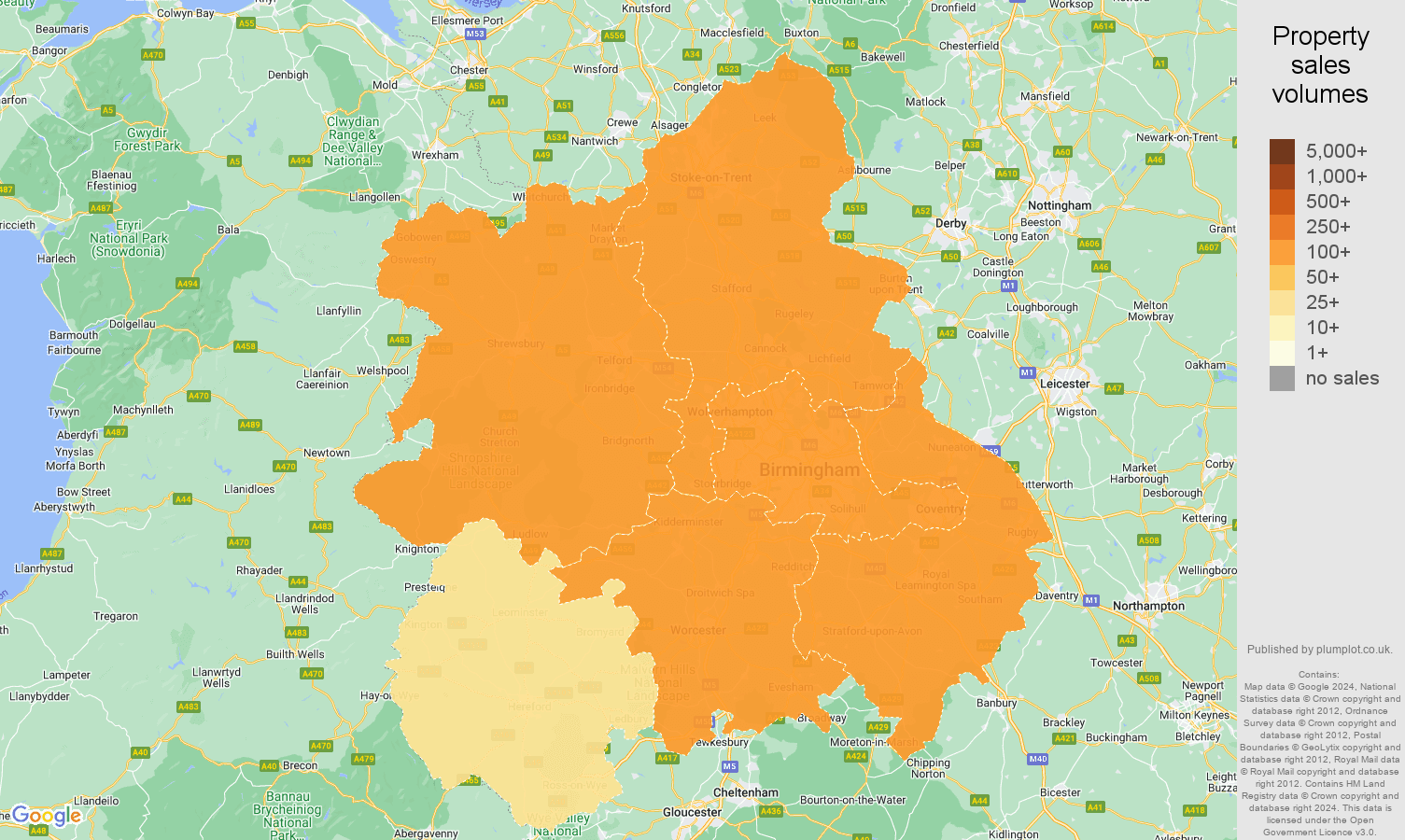
The West Midlands property market remains one of the most dynamic and resilient regions in the UK, and recent insights from BDC Magazine shed new light on key trends shaping everything from house prices to rental demand. In this analysis, we’ll break down what these findings mean for homeowners, investors, and tenants across Birmingham, Coventry, Wolverhampton, and the wider region, connecting the data to real-world opportunities and considerations for anyone navigating the local property landscape.
At Kunda House, we stay closely aligned with the latest market intelligence to ensure our community has the information they need to make confident decisions. Whether you’re exploring a short stay in Birmingham, considering a long-term rental investment, or tracking price movements for your next home purchase, understanding the trends highlighted in this analysis will help you stay ahead of the curve.
A major investment deal has been finalised to deliver nearly 1,000 high-quality rental homes at Digbeth development in Birmingham.
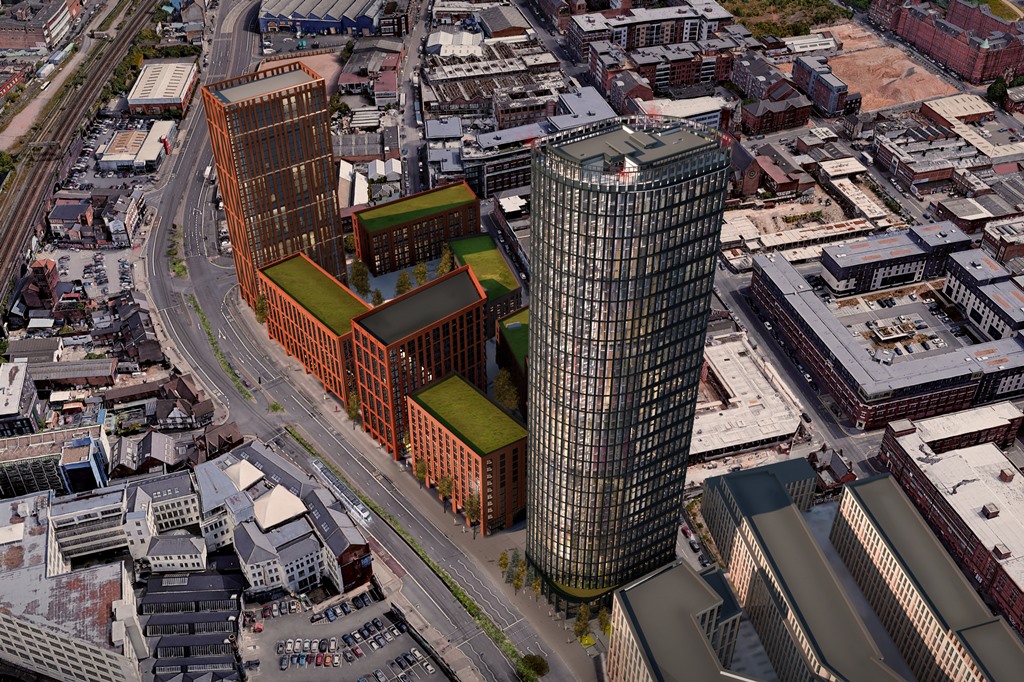
Aviva Capital Partners and Moda Group have partnered with NatWest, Homes England, and the West Midlands Combined Authority (WMCA) to fund the £200m+ Stone Yard development—set to transform a prominent four-acre brownfield site into a thriving build-to-rent (BTR) neighbourhood.
The agreement signals a strong collaboration between the public and private sectors, supporting the delivery of new homes while promoting regeneration, sustainability, and community-building.
Phase one of the Stone Yard project will see the delivery of 605 homes across four blocks, backed by debt financing from NatWest and Homes England via the Home Building Fund.
A future phase will add another three blocks, bringing the total to 995 homes.
The WMCA has contributed brownfield grant funding, enabling 20% of the homes to be offered as affordable housing at Discounted Market Rent.
These homes will be spread across the site to support inclusive, community-led regeneration.
Homes England’s investment includes around £40 million in debt funding, building on its Strategic Place Partnership (SPP) with the WMCA.
This initiative aims to drive locally-led housing growth in key areas such as Digbeth, which anchors the East Birmingham and North Solihull corridor.
The development is designed with a strong focus on sustainability, aiming for top-tier accreditation from organisations such as Fitwel, Home Quality Mark, and BREEAM.
In addition to high-specification apartments, residents will benefit from a suite of amenities, including co-working spaces, 24/7 gyms, lounges, studio spaces and private dining rooms.
Stone Yard will also feature landscaped public areas, commercial units, and improved connections to local attractions, contributing to Digbeth’s growing reputation as a vibrant and inclusive neighbourhood.
Moda will operate the buildings and public realm, delivering its signature approach to health, wellbeing, technology, and resident experience, ensuring a professionally managed and diverse community at the heart of the city.
Construction is being led by Caddick Construction, Moda’s sister company, with initial works now underway.
Completion of the first phase is anticipated in 2028.
Located on Deritend Road, the Stone Yard site sits adjacent to the Custard Factory and directly opposite the new Eastside Metro extension and the upcoming HS2 Curzon Street Station, placing future residents at the heart of Birmingham’s cultural and transport networks.
Building, Design & Construction Magazine | The Choice of Industry Professionals
Key Takeaways from This Analysis
- £200m+ investment
- Partnership between Aviva, Moda, NatWest, Homes England, WMCA
What This Means for the West Midlands
These findings reinforce the West Midlands’ position as a region of growing importance for UK property. Compared to London and the South East, where affordability remains a significant barrier for many, the West Midlands continues to offer better value while still delivering strong growth potential. Birmingham, in particular, benefits from ongoing regeneration projects, improved transport links, and a vibrant cultural scene that attracts young professionals, students, and families alike.
For investors, the combination of competitive entry prices and healthy rental yields makes the West Midlands an attractive choice. Meanwhile, first-time buyers and those looking to move up the ladder can find more space and better value compared to many other parts of the country. With major infrastructure projects continuing to shape the region, the long-term outlook remains positive for both homeowners and landlords.
How Kunda House Can Help
At Kunda House, we specialise in connecting people with quality accommodation across the West Midlands. Whether you’re looking for a flexible short stay, a comfortable long-term rental, or expert guidance on local property investment, our team is here to support you every step of the way. We combine local market expertise with a commitment to outstanding service, ensuring our residents, guests, and partners have the best possible experience.
Our properties are carefully selected and maintained to the highest standards, offering modern amenities and prime locations across Birmingham and the surrounding area. We also keep a close eye on market trends like those highlighted in this analysis, ensuring our offerings remain competitive and aligned with what our community needs.
Looking Ahead
As we move further into 2026, the West Midlands property market is expected to continue its steady evolution. While some fluctuations are inevitable, the underlying drivers of growth—including regeneration, infrastructure investment, and strong demand for quality rental accommodation—remain firmly in place. By staying informed and working with trusted local partners, you can navigate the market with confidence and make the most of the opportunities available.
If you’d like to learn more about the West Midlands property market, explore our available properties, or discuss your accommodation needs, don’t hesitate to get in touch with the Kunda House team today.