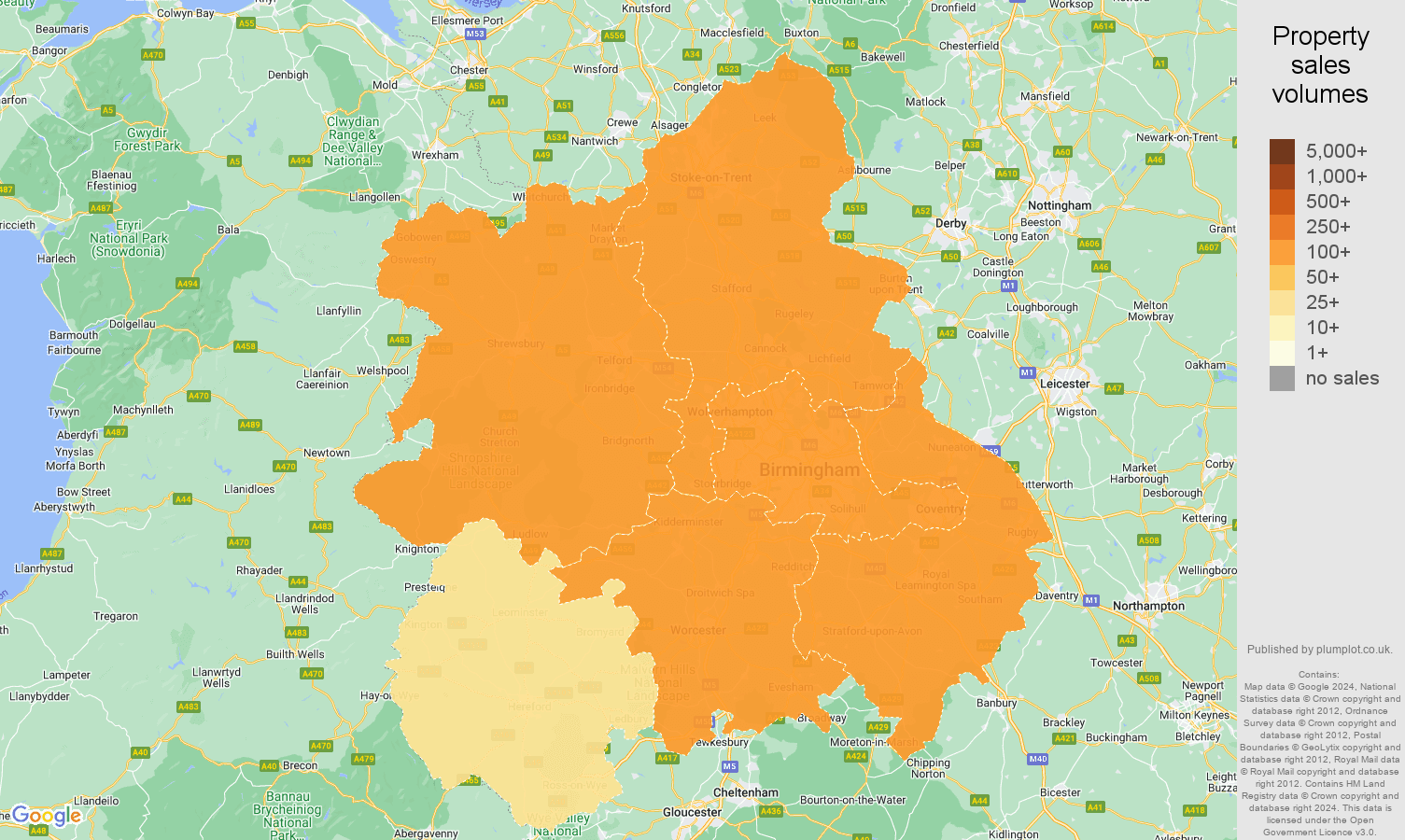
The West Midlands still stands out to property investors in 2026 because it offers a different mix from many southern markets: lower entry prices, a large working population, solid rental demand and several regeneration stories that continue to shape confidence.
That does not make it a simple market. The region looks stable rather than spectacular on headline pricing, so the investor case is stronger when it is built around disciplined buying, reliable demand and competent management instead of a pure capital-growth bet.
What the regional numbers suggest
Public data in the Kunda House research set places the wider West Midlands average around £246,000 to £249,000, while Birmingham sits closer to £233,000. That gap matters. It keeps the region accessible for investors who want exposure to a major city economy without paying the same entry prices seen in more expensive parts of England.
The rent side of the story remains important. Birmingham private rents in the same research set sit above £1,080 per month, and wider regional commentary continues to point to meaningful demand pressure and workable yields where the stock, area and management model are aligned.
Why Birmingham still matters
Birmingham remains the anchor market because it concentrates employment, universities, healthcare, transport spending and the broadest mix of tenant demand. That diversity gives investors more routes into the market, from room-led housing and family lets to professionally managed short stays.
Even so, the city should not be treated as one uniform opportunity. Investors still need to separate neighbourhoods with durable demand from stock that is too generic, too management-heavy or too dependent on optimistic assumptions about future growth.
Why the wider West Midlands matters
The wider region is where the investment conversation becomes more interesting. Coventry benefits from its university and manufacturing base. Sandwell and Oldbury can offer a stronger income conversation than a prestige conversation. Solihull remains more defensive and higher value. Wolverhampton and Dudley are better viewed through an affordability and yield lens than a status lens.
In practice, that means the West Midlands should be approached as a set of connected micro-markets rather than a single postcode-level thesis. Investors who match their strategy to the local demand profile are more likely to outperform those who buy simply because the wider region looks attractive in aggregate.
Forecasts, regeneration and risk
Forecasts in the research file, especially from Savills, still support a constructive medium-term view even after 2026 revisions. Regeneration stories across Birmingham, Digbeth, the Jewellery Quarter, logistics locations and wider infrastructure corridors also continue to support the long-term case.
But investors should keep the risks in view. Higher mortgage costs, patchy short-term price growth, new-build competition in some apartment markets and rising compliance expectations all make operational quality more important than it was in easier market conditions.
What matters most for landlords
The strongest West Midlands opportunities in 2026 are likely to come from assets that align with live demand, realistic pricing and dependable operations. In a market where growth is steady rather than explosive, management quality has a direct effect on returns through occupancy, upkeep, resident experience and void control.
That is why investors should think beyond acquisition alone. For many landlords, the real edge in Birmingham and the wider West Midlands is not just buying into the right regional story, but running the property well once it is live.
Sources used for this market view
This article is based on the Kunda House West Midlands research file, including HM Land Registry and ONS updates, Savills forecasts, Birmingham market commentary and regional reporting on rents, regeneration and local performance. Key examples include the UK House Price Index for December 2025, the ONS Birmingham housing prices view, the 2026 Savills forecast update and the regional comparison of Birmingham, Coventry and Sandwell.